
Microlearning: Benefits, Examples, and Applications for Businesses
Microlearning is one of the most effective methods of digital learning today. Instead of lengthy training sessions, short, practical learning modules provide employees with exactly the knowledge they need in their day-to-day work. Whether it’s an explanatory video, a quiz, a flashcard, or an interactive exercise-microlearning saves time, boosts motivation, and improves knowledge transfer. In this article, you’ll learn what microlearning is, what benefits it offers, and how companies can successfully implement this learning method.
What is microlearning?
Microlearning is a learning method in which content is delivered in short, easy-to-understand learning modules. A module typically lasts between three and ten minutes and focuses on a specific learning objective.
Unlike traditional e-learning or in-person training, employees learn exactly what they need at that moment-quickly, flexibly, and from anywhere.
Increasing digitalization, remote work, and the desire for flexible professional development opportunities have made microlearning an indispensable part of modern corporate learning concepts today.
Why is microlearning becoming increasingly important?
The world of work is changing rapidly. New products, processes, and regulatory requirements demand continuous learning. At the same time, there is often little time in the day-to-day work routine for lengthy training sessions.
Microlearning solves this problem by delivering knowledge in small, easily digestible units. Learners can access content exactly when they need it—whether they’re in the office, working from home, or on the go.
Short learning modules can also be updated much more quickly than extensive training programs. This allows companies to remain flexible and provide new content in a timely manner.
How does microlearning work?
Microlearning besteht aus vielen kleinen Lerneinheiten, die jeweils ein klar definiertes Thema behandeln. Die Inhalte sind abwechslungsreich gestaltet Microlearning consists of many small learning units, each covering a clearly defined topic. The content is designed to be varied and can combine different media.
Typical microlearning formats include:
- Explanatory videos
- Flashcards
- Quizzes and knowledge checks
- Interactive videos
- Podcasts
- Infographics
- Checklists
- Short web-based training modules
- Story-based learning nuggets
- The variety of formats ensures that learning remains engaging and appeals to different learning styles.
The Benefits of Microlearning for Learners
Microlearning is tailored to the learning habits of modern people. Short sessions are easier to incorporate into daily life and motivate learners by providing a quick sense of accomplishment.
The key benefits are:
- short and engaging learning sessions
- learning at your own pace
- access anytime, anywhere
- optimal use on smartphones, tablets, or PCs
- improved concentration thanks to short learning sessions
- quick reviews to reinforce knowledge
- just-in-time learning right at the workplace
- high flexibility in everyday work
Microlearning really shines when it comes to topics that need to be reviewed regularly, such as workplace safety or compliance.
The Benefits of Microlearning for Businesses
It’s not just employees who benefit from short learning modules. Companies also gain from a more efficient training process.
Among other things, microlearning offers:
- Lower development costs
- Quick updates to individual content
- Shorter downtime due to shorter training sessions
- High level of acceptance among employees
- More sustainable knowledge transfer through regular review
- Versatile applications
- Easy integration into existing learning management systems
Especially when information changes frequently, new products are introduced, or laws are amended, individual learning modules can be quickly updated without having to redesign entire training programs.
Real-World Examples of Microlearning
Microlearning is suitable for nearly all areas of corporate training.
Onboarding
New employees receive brief daily learning updates with key information about the company and their workplace.
Product Training
New products or services are introduced in short videos or interactive flashcards.
Compliance
Regular quizzes and short review sessions help ensure that mandatory training is retained over the long term.
Workplace Safety
Short training modules remind on-site employees of safety-related behaviors and support just-in-time learning.
Sales
Sales teams can review new products or sales pitches on the go at any time.
Microlearning or classic E-Learning?
Both forms of learning have their merits and complement each other perfectly.
Microlearning
- Duration: 3-10 minutes
- Content: One learning objective
- Scope: Quick to complete
- Best suited for: Refreshers and reinforcement
- Maintenance: Easy to update
- Optimization: Mobile-friendly
Traditional E-Learning
- Duration: 30-90 minutes
- Content: Multiple topics
- Scope: Comprehensive training
- Best suited for: Building foundational knowledge
- Maintenance: Higher maintenance effort
- Optimization: Often desktop-oriented
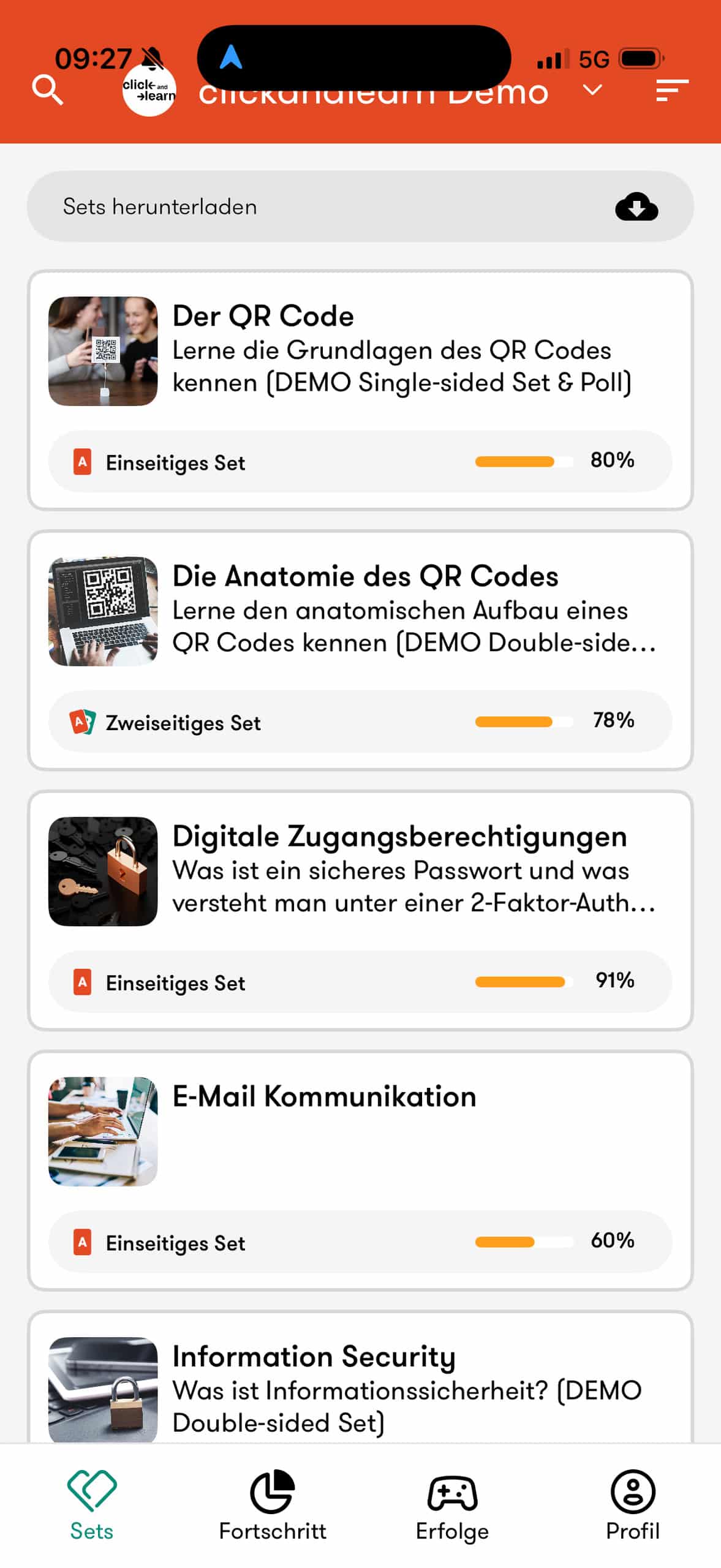
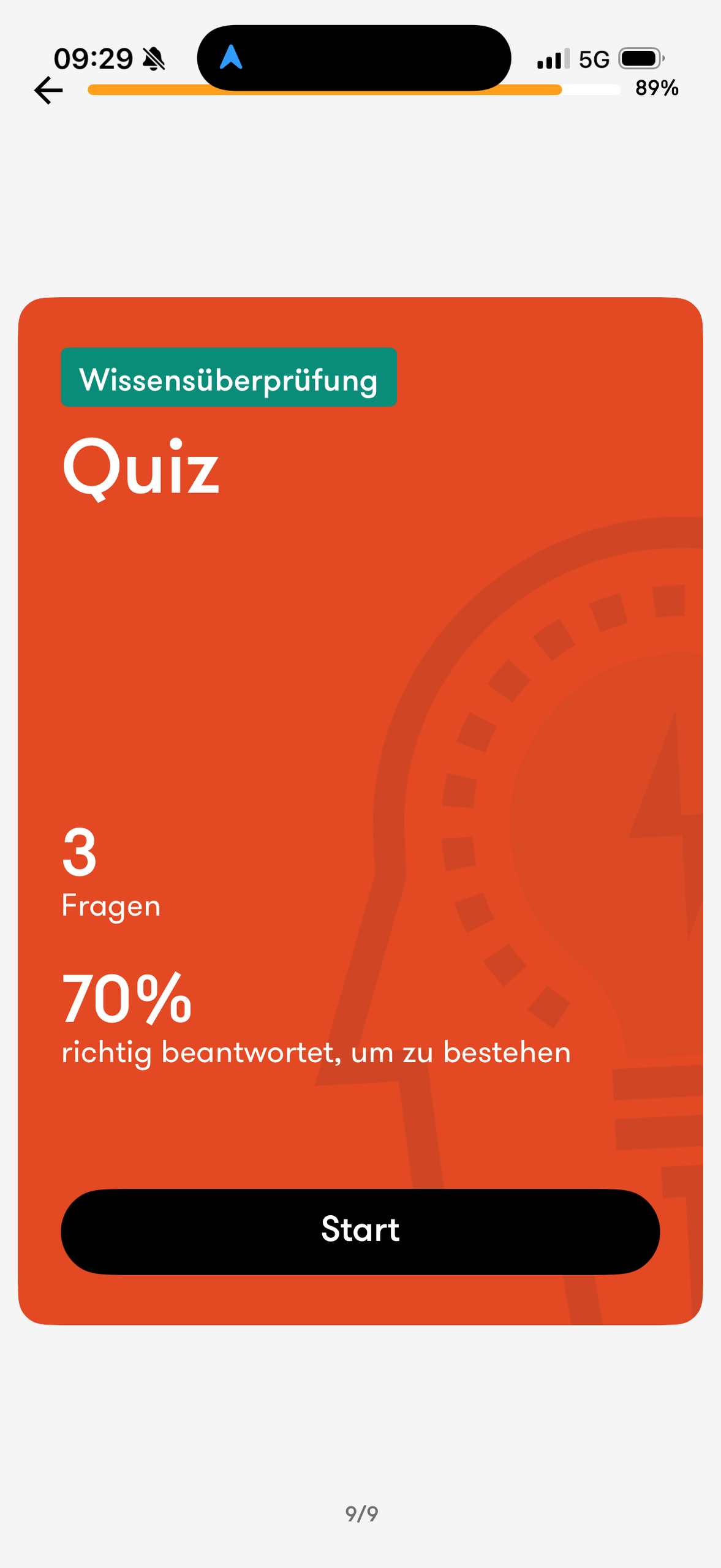
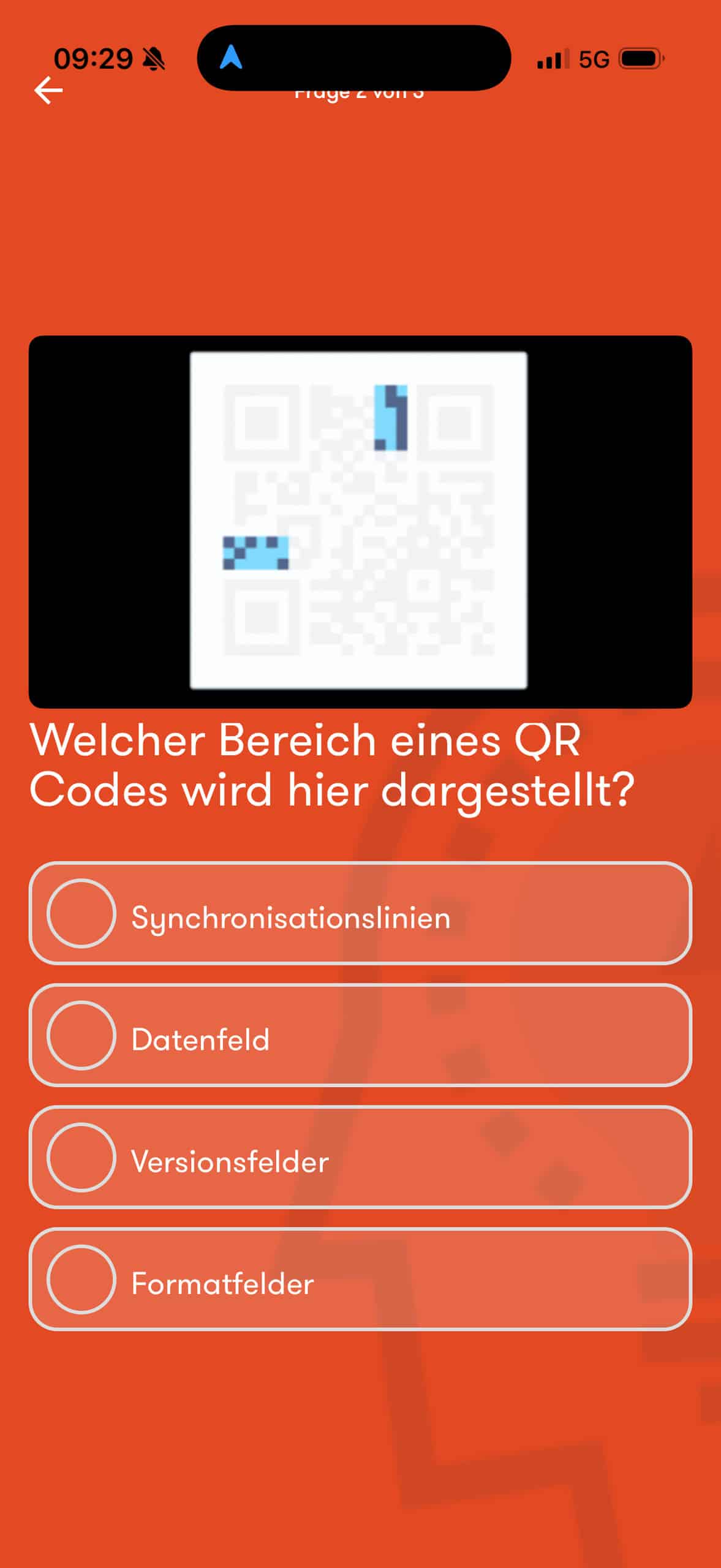
Microlearning in Practice: A Look Inside Our Learning Modules
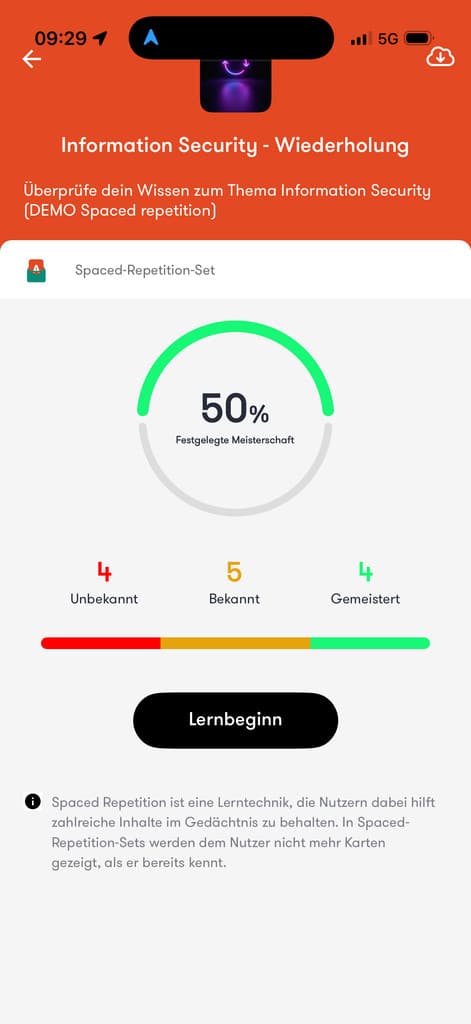
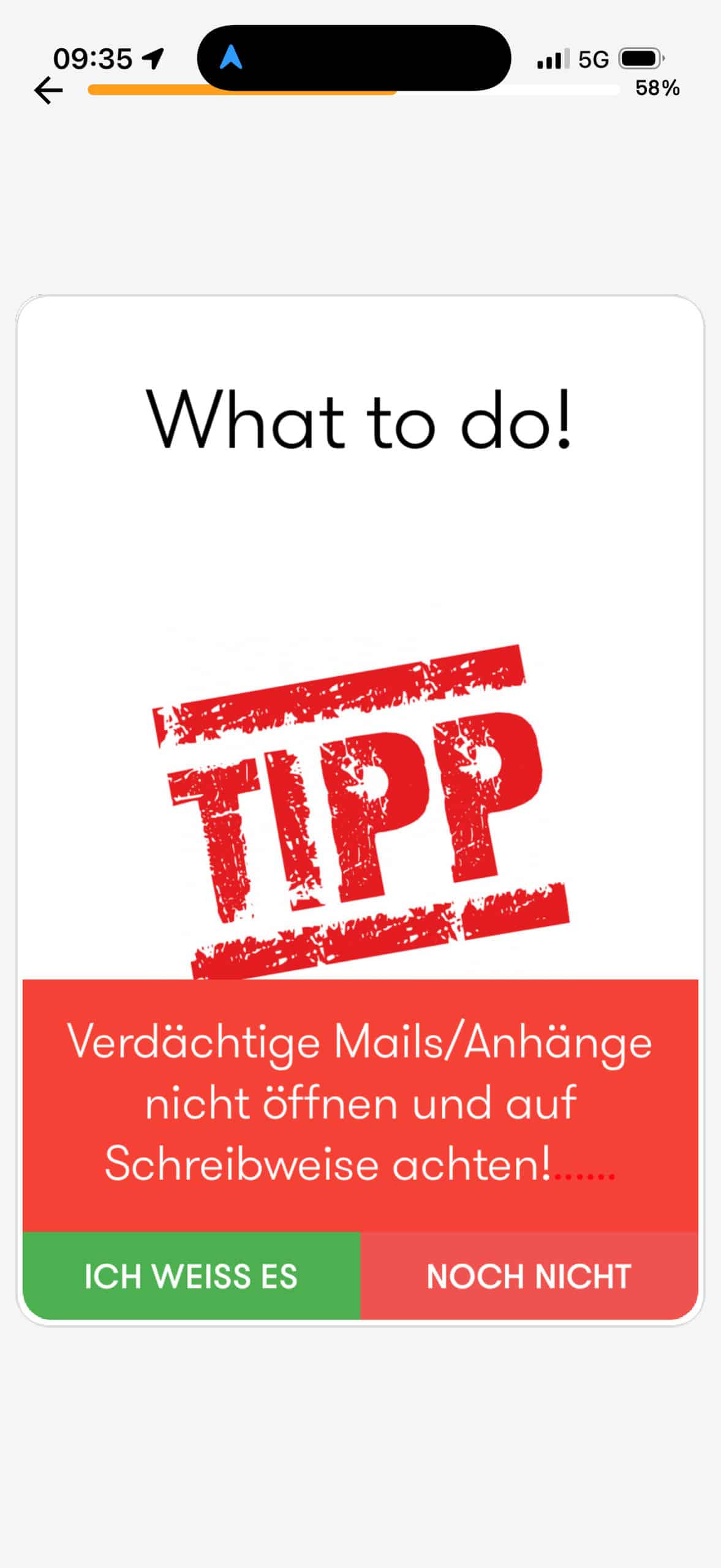
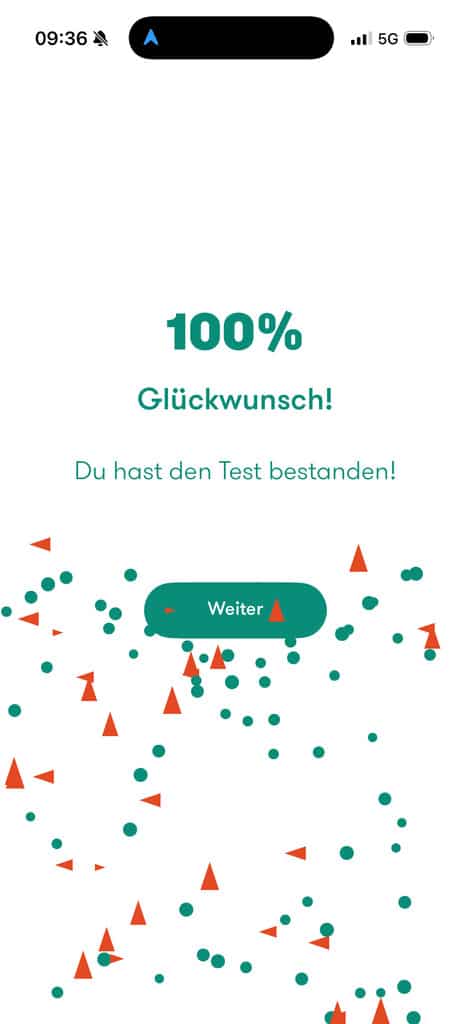
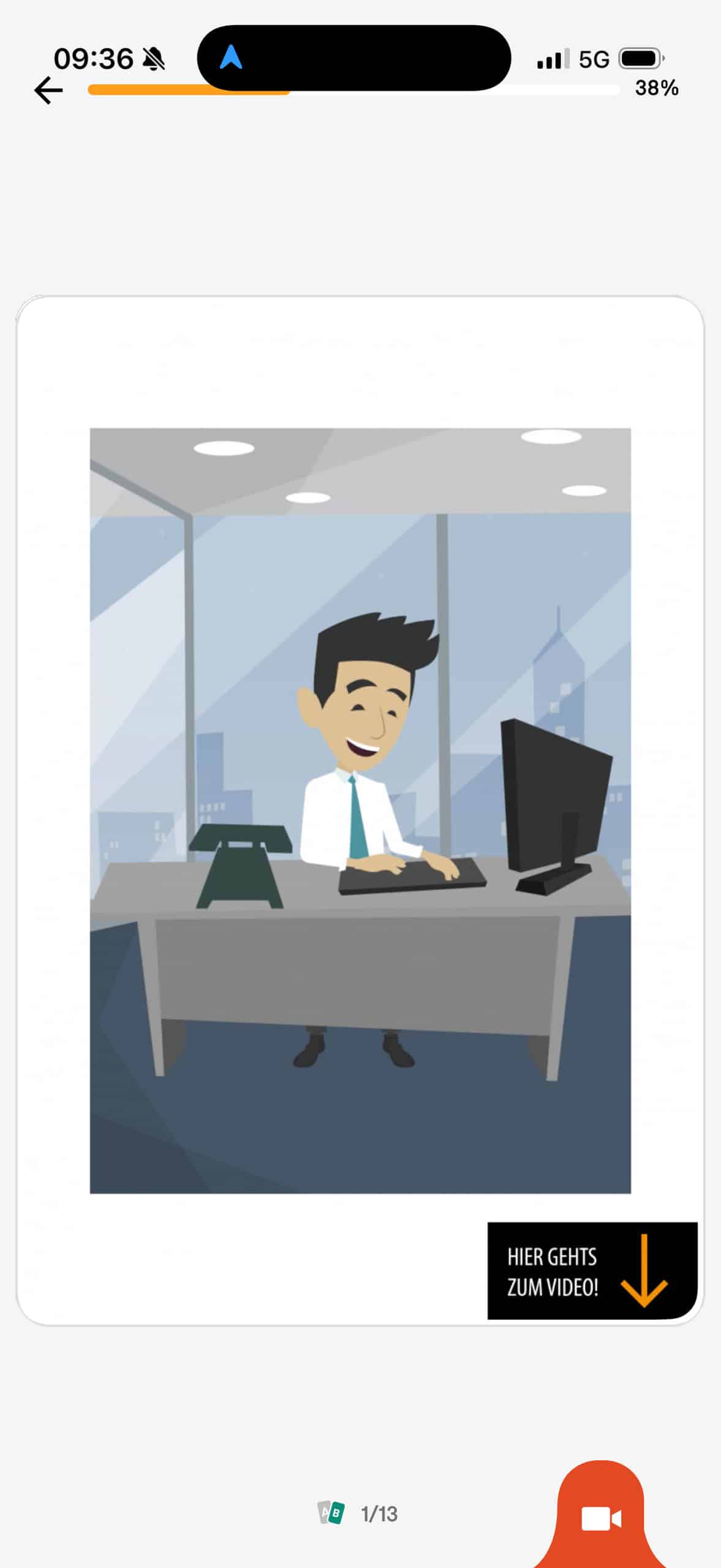
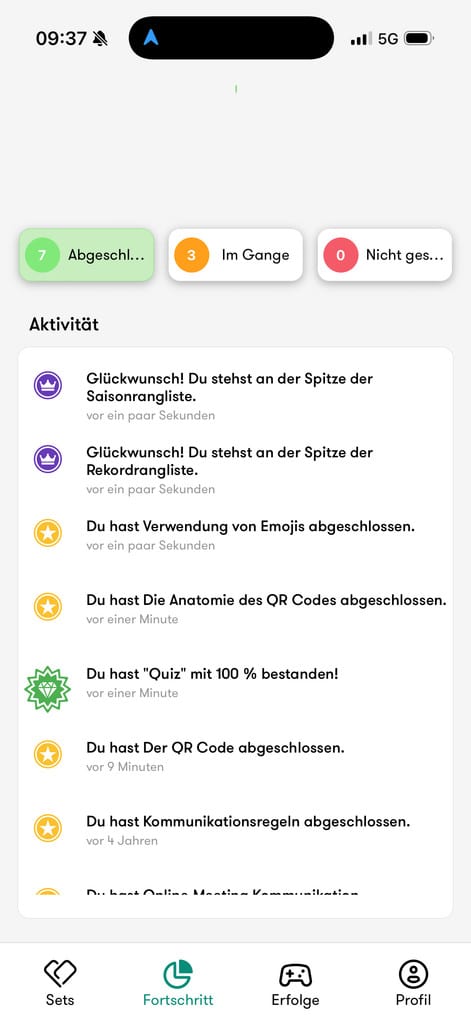
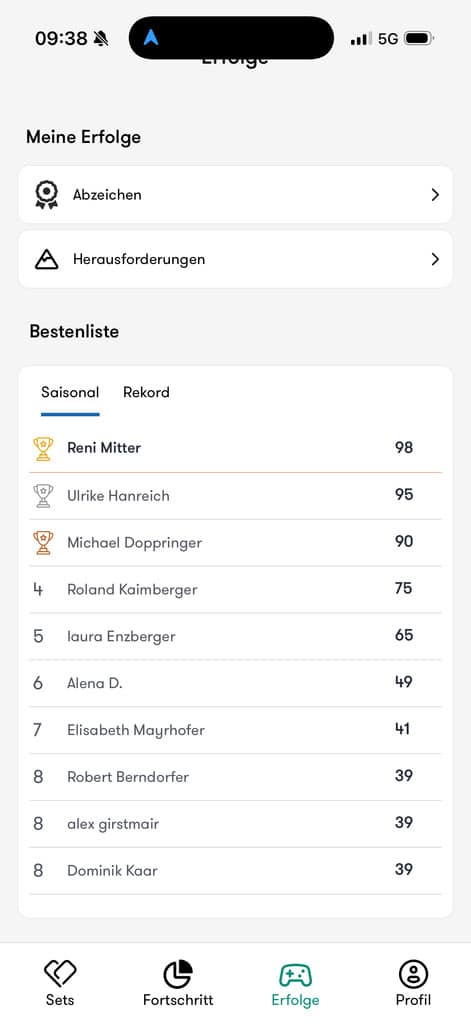
Criteria at a Glance
| Criterion | Microlearning | Traditional E-Learning |
|---|---|---|
| Duration | 3–10 minutes | 30–90 minutes |
| Content | One clear learning objective | Multiple topics |
| Scope | Compact and quick to complete | Comprehensive training |
| Best suited for | Review and refresher training | Foundational knowledge |
| Maintenance | Easy and quick to update | Requires more maintenance |
| Optimization | Optimized for mobile | Often designed for desktop |
When is microlearning appropriate?
Microlearning is particularly useful for:
- Onboarding new employees
- Product training
- Workplace safety
- Compliance training
- Data protection
- Soft skills
- Sales training
- IT training
- Leadership development
- Process training
Short learning modules really shine in any situation where knowledge needs to be regularly updated or reviewed.
Microlearning as Part of a Learning Journey
Microlearning often reaches its full potential as part of a learning journey.
This approach combines various short learning formats over an extended period of time. Explanatory videos, quizzes, podcasts, and interactive exercises build on one another and guide employees through the learning process step by step.
Through regular review and varied content, knowledge is retained more effectively than with a one-time training session. Companies benefit from motivated learners and better knowledge transfer into their day-to-day work.
Seamlessly integrate microlearning into your learning management system
Microlearning is particularly effective when short learning modules are integrated directly into existing learning processes. With TalentCards, companies can seamlessly connect their microlearning content with eFront LMS and TalentLMS. Among other things, the integration synchronizes users, learning content, and learning progress, so that completed TalentCards courses are automatically recorded in the learning management system. This keeps all training data centralized in one place, while employees can learn flexibly via the TalentCards mobile app. Companies thus benefit from a modern learning environment that combines the structured management of an LMS with the advantages of microlearning.
Microlearning with TalentCards
TalentCards offers an ideal solution for companies that want to implement microlearning in a simple and flexible way.
With this mobile learning platform, you can quickly create flashcards, quizzes, short videos, and other microlearning content and make them available on smartphones, tablets, or PCs. Employees can learn anytime, anywhere—exactly when they need the knowledge.
Try it out for yourself now!
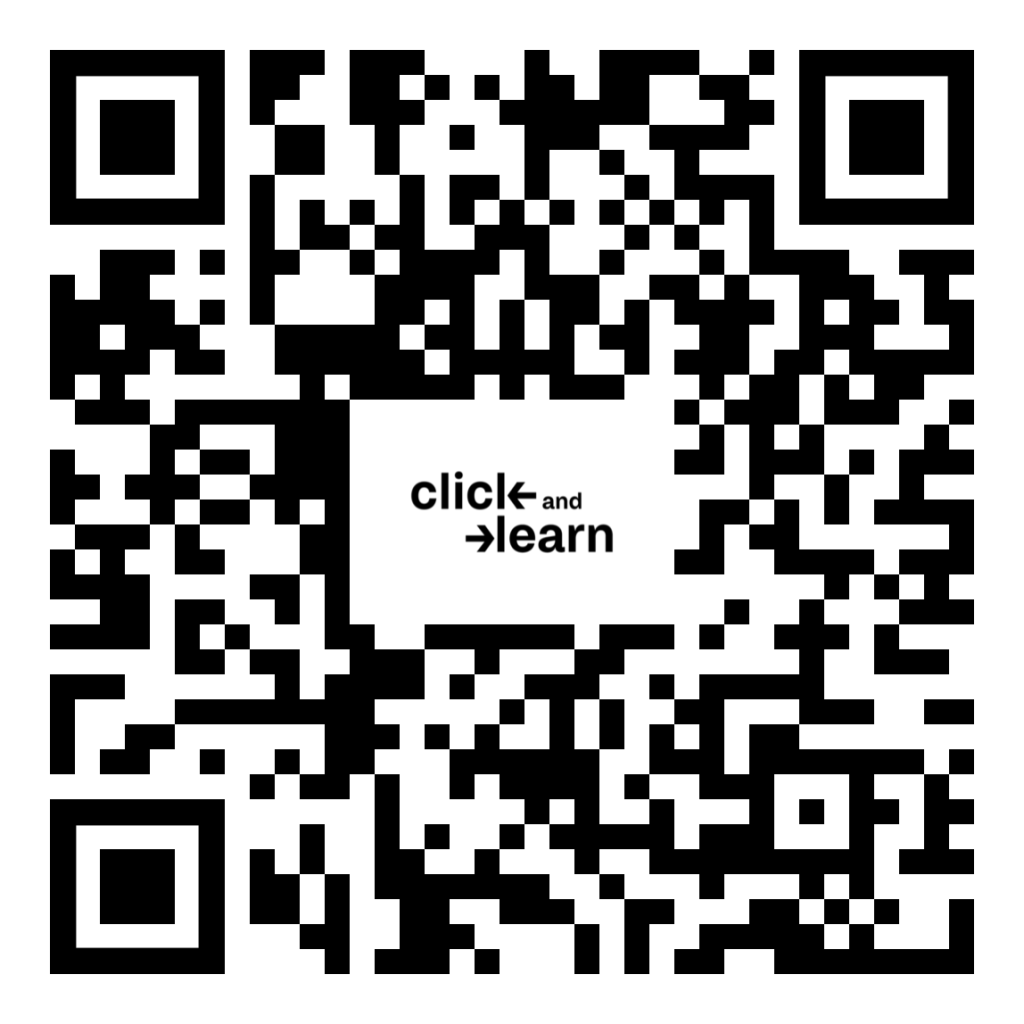
Scan the QR code and experience TalentCards right on your cell phone.
Conclusion
Microlearning is much more than just a trend. Short, targeted learning modules enable flexible learning, boost motivation, and facilitate the long-term transfer of knowledge.
Especially when combined with learning journeys or a learning management system, these modern learning concepts can be seamlessly integrated into everyday work. Companies benefit from lower development costs, content that can be updated quickly, and motivated employees who learn exactly when they need the knowledge.
If you’d like to implement microlearning in your company, clickandlearn is happy to support you-from instructional design and content creation to integration into your learning management system.
Frequently Asked Questions (FAQ)
What is microlearning?
Microlearning is a learning method in which knowledge is conveyed in short, easy-to-understand learning units. Each unit focuses on a specific learning objective and usually lasts only a few minutes.
How long does a microlearning session last?
Most microlearning modules last between three and ten minutes. It is important that each module focuses on a single topic and can be completed quickly.
What are the benefits of microlearning?
Microlearning saves time, boosts motivation, makes review easier, and enables just-in-time learning. Companies also benefit from lower development costs and the ability to easily update learning content.
What topics is microlearning best suited for?
Microlearning eignet sich unter anderem für Onboarding, Compliance, Arbeitssicherheit, Produktschulungen, Vertrieb, Soft Skills und Prozessschulungen.
Is microlearning the same as e-learning?
No. Microlearning is a form of e-learning. While traditional e-learning courses often cover broad topics, microlearning focuses on short, self-contained learning modules with a clear learning objective.